In 2020, when protests against racial violence and police brutality erupted across the country, corporate America responded with a wave of unparalleled financial donations and diversity, equity, and inclusion commitments. Nearly every industry was forced to reckon with its diversity issues; and for the first time, it seemed like business leaders were prepared to go beyond lip service and take steps toward lasting change.

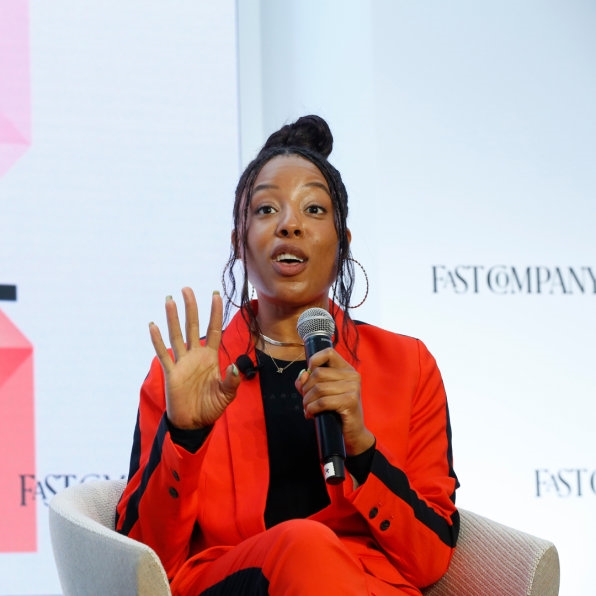
Two years later, however, some of those efforts have faded or proven more complicated than business leaders might have hoped. “People wish there were a quick fix to this,” Orion Pictures president Alana Mayo said during a panel at the Fast Company Innovation Festival on Tuesday. “They wish there were a DEI hire plus a couple of trainings and a seminar—and yay, we solved [systemic racism],” Mayo said. “And as I hope everybody in this room knows, that is not the case.”
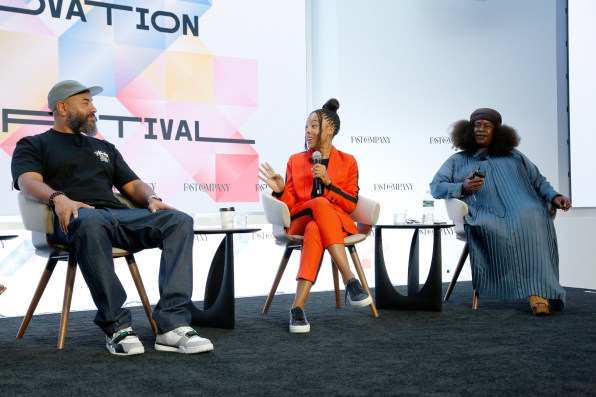
In Hollywood, she says, the racial uprising after George Floyd’s murder did raise awareness, particularly with respect to how the industry has shaped public perception of policing and violence against Black people through onscreen portrayals. There was a greater investment in diverse filmmakers and even decision makers: Mayo herself was recruited to helm Orion Pictures, a division of MGM that the studio relaunched in 2020, to focus on underrepresented voices and stories. “The level of representation, and the amount of people who are given dollars—which is really the most significant lever—who were not [getting funded] 16 years ago, when I first moved to L.A., is also staggering,” she said.
But there are no easy solutions when it comes to revamping industries that have a long history of homogeneity. And some of the actions companies and executives took in 2020 were, in hindsight, short-term solutions to more pervasive, systemic problems.
The publishing industry, for example, sought to diversify its ranks by recruiting new people into the field, which some people believe wasn’t the right approach to cultivating a pipeline of talent.
“On the editorial side, [publishing is] an apprenticeship program,” said Little, Brown and Company executive editor and VP Tracy Sherrod, who appeared on the panel alongside Mayo and Apple Music’s Ebro Darden. “That’s how it works because you need the skills to be able to convince someone to give you a million bucks. You need skills to know how to put a book into production. You need skills to know how to edit a book.”
At the same time, many white editors were tasked with editing more books from underrepresented authors, some of whom received outsize advances that they wouldn’t be able to earn out—which could, in turn, hurt their chances of getting another book deal. Sherrod said white editors tended to overestimate how well those books would sell, and whether white readers would pick up the book.
That optimism may have come from a lack of understanding of the audience for books by underrepresented authors. “My publishing friends whose homes I’ve been to—I don’t see Black books on their shelves, even the ones that they published,” Sherrod said. “I think their perspective is one of optimism, and we have to pay the price for that.”
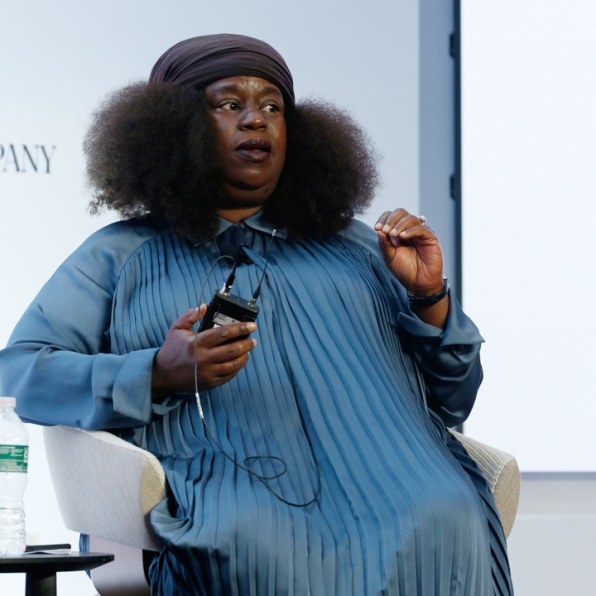
Darden echoed the idea that DEI efforts in the workplace didn’t exist in a vacuum. “We have to be honest about our coworkers, and that they go home to very homogenous communities,” he said. “But then we expect them to come to the workplace and flip a switch and become this aware, inclusive person.”
On the other hand, he noted, addressing diversity issues at work could also impact how people move through the rest of their lives. “You’re learning about different holidays that they don’t even teach at your kid’s school, [but] you haven’t gone to the PTA meeting to ask, ‘Hey, I was learning about Juneteenth this year at my workplace, but we don’t do that at school. How come?’” Darden said.
“You come to the workplace and put on the charade because you kind of have to, because inclusion and diversity is en vogue,” he added. “But if we really want solutions, aren’t we going to do this at home?”
(14)